
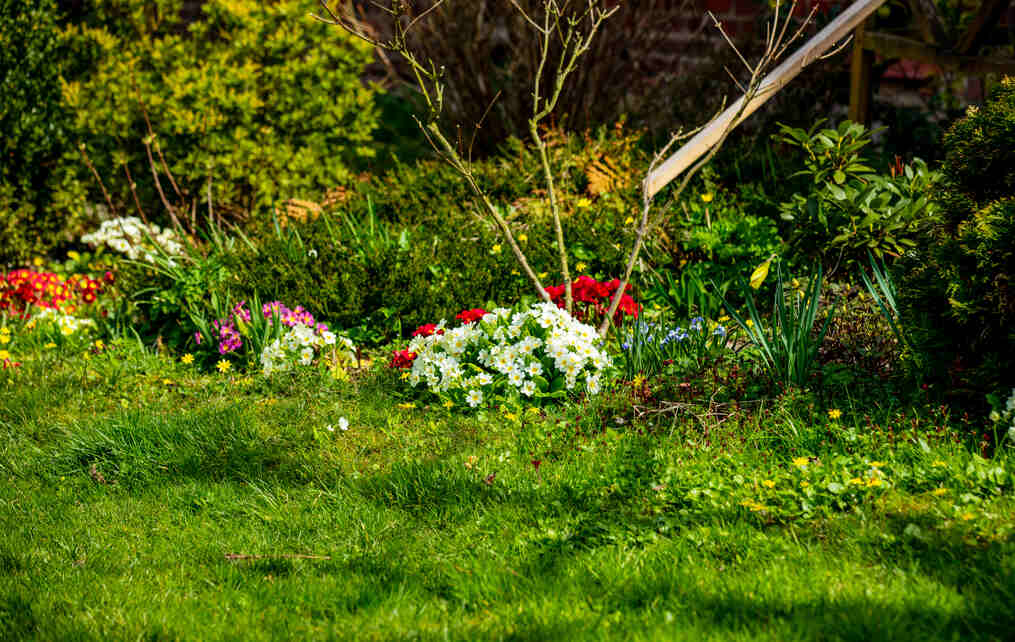
With the increase of built up areas, green spaces are becoming more sparse than ever. Gardens, whether small or large, play a vital role in supporting biodiversity and providing habitats for various plant and animal species. However, as gardens evolve and change, they may require clearance or renovation. Contrary to popular belief, garden clearance doesn’t necessarily mean destruction; instead, it can be a catalyst for regeneration, encouraging new and more diverse habitats. In this post, we explore how garden clearance can contribute to habitat regeneration and support biodiversity.
Understanding Habitat Loss
Before exploring how garden clearance can encourage and support habitat regeneration, it is crucial to understand the implications of habitat loss. Built up areas, agricultural expansion, and land development have led to the destruction and fragmentation of natural habitats worldwide. This loss of habitat threatens numerous species, disrupts ecosystems, and reduces biodiversity. Gardens, therefore, represent vital shelter for wildlife in urban environments.
The Importance of Garden Clearance
Garden clearance is often undertaken for various reasons, such as landscaping, maintenance, or renovation. While the initial sight of cleared ground may seem barren, it presents an opportunity for transformation. By carefully planning and executing garden clearance, individuals can create new habitats and enhance biodiversity within their own outdoor spaces. Proper garden clearance can improve air circulation, sunlight exposure, and soil quality, laying the groundwork for healthy plant growth.
Removing Invasive Species
One of the primary reasons for garden clearance is the removal of invasive plant species. Invasive plants can override indigenous vegetation, disrupt ecosystems, and reduce biodiversity. By clearing these invasive species, gardeners create space for local and native plants to thrive, which, in turn, support a more diverse range of insects, birds, and other wildlife. Removing invasive plants helps prevent their spread to other areas, helping preserve the environment.
Creating Wildlife Friendly Features
Garden clearance allows for the creation of wildlife friendly features such as ponds, meadows, and hedgerows. Ponds provide vital water sources for amphibians, insects, and birds, while meadows offer habitats for pollinators and small mammals. Additionally, hedgerows act as natural corridors, allowing wildlife to move freely between different green spaces.
Introducing Indigenous Plants
After clearance, gardeners have the opportunity to reintroduce plant species that are better suited to the local environment. Indigenous plants provide food and shelter for local wildlife, promoting a healthy and balanced ecosystem. By selecting a diverse range of plants; gardeners can attract a variety of species, from butterflies and bees to birds and mammals.
Improving Your Gardens Landscape
Garden clearance can also involve the removal of overgrown foliage, shrubbery, plants and deadwood, which may limit the physical landscape of your garden. By creating a mix of open spaces, shrubs, trees, and log piles, gardeners can provide habitats for a wide range of species with varying habitat requirements. For example, log piles provide shelter for insects, reptiles, and small mammals, while mature trees offer nesting sites for birds.
Encouraging Natural Processes
Lastly, garden clearance can encourage natural processes such as succession, where plant communities grow and develop over time. By allowing the vegetation to regrow naturally or by planting succession friendly species, gardeners can create dynamic habitats that mimic natural ecosystems. This approach promotes resilience and adaptability, enabling gardens to support biodiversity in the long term.
Bring Your Garden Back to Life With Garden Clearance Services
Garden clearance can be a powerful tool for habitat regeneration and biodiversity conservation. By carefully planning clearance activities, gardeners can create new habitats, support wildlife, and contribute to the overall health of urban ecosystems. Whether through removing old furniture, rotten wood, rubbish and invasive species, introducing indigenous plants, or creating wildlife friendly features, every action taken in the garden can have a positive impact on biodiversity.
If you are interested in discovering your garden’s potential for regeneration and the opportunity to create a haven for nature right outside your door, then be sure to reach out to the experts at Recycling Company Essex to enquire about our garden clearance services. This can be done by giving us a call either on 01708 873 202 or 07775 179 508, by emailing us at info@rce-group.co.uk. You can also fill the relevant information on our online contact form and we will get back to you promptly in order to secure your required garden clearance service.